Where to go · North Ayrshire
Forest bathing at Corsehillmuir Wood
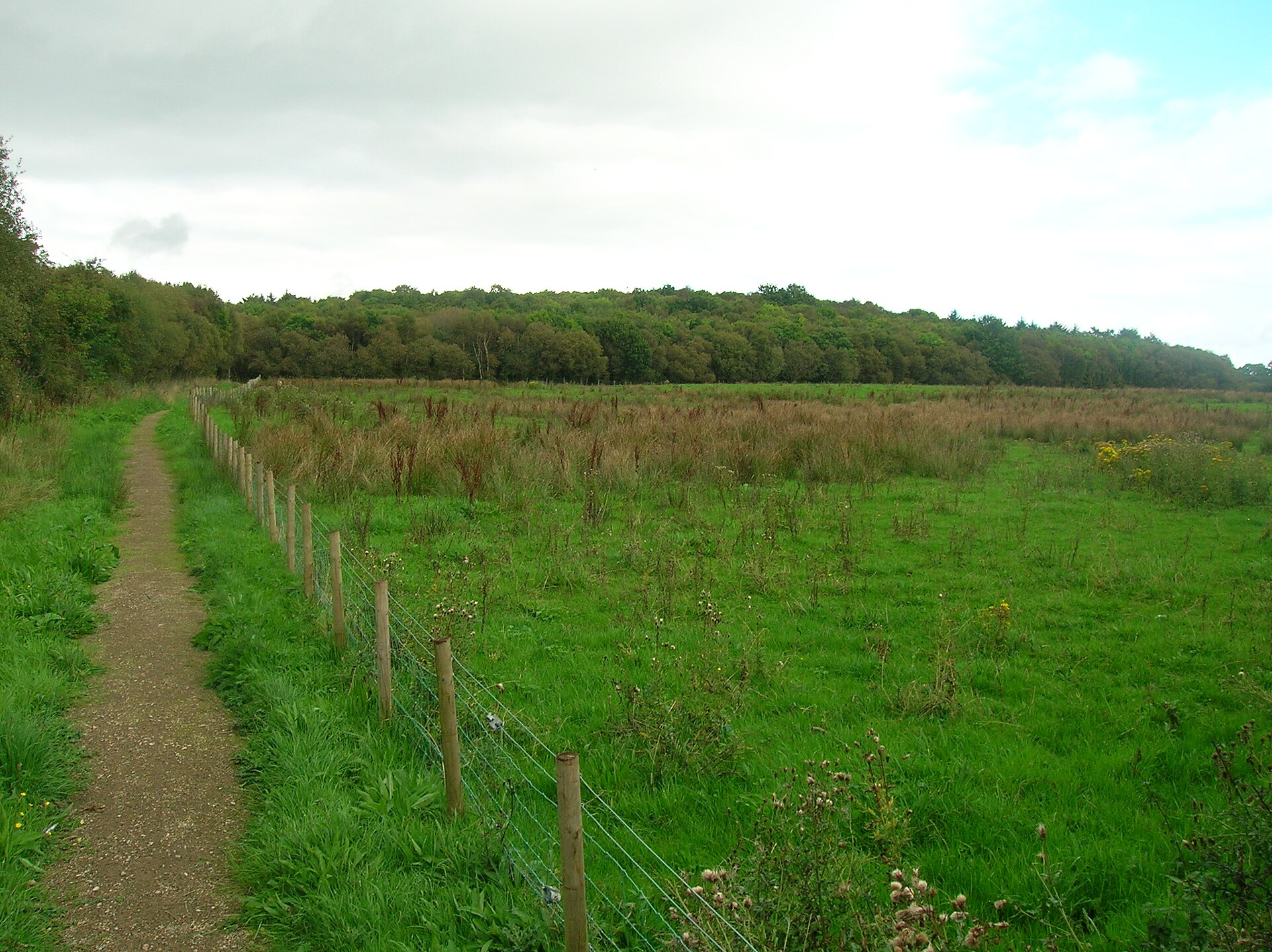
A small, mossy native wood of birch, ash, alder and willow on the edge of Kilwinning.
Corsehillmuir Wood is a small Scottish Wildlife Trust reserve on the edge of Kilwinning. It is natural woodland, with a canopy of birch, ash, alder and willow over a mossy, ferny floor, and woodland birds are around all year. It sits next to the Corsehill side of Eglinton Country Park, so it can be added to a longer walk there or visited on its own.
The wood is small, so this is a place to go slowly rather than far. The Trust suggests about half an hour to walk it, but that is easily stretched to an hour if you stop to sit or look closely at the mosses and ferns. The paths are surfaced, with one steep section. Like all the Trust's Ayrshire reserves, it is open every day of the year and free to enter. There are no facilities on site, so plan on Kilwinning or the Eglinton visitor centre for toilets and a café.
Practical
- Managed by
- Scottish Wildlife Trust
- Terrain
- Surfaced paths with one steep section
- Nearest station
- Kilwinning, about 5 minutes by car
- Facilities
- None on site
- Opening and entry
- Open every day, free
- Official page
- scottishwildlifetrust.org.uk
Last updated 4 November 2026. Paths, parking and access can change, so check before you visit. Spotted something out of date? Please let us know.
Guides nearby
A guide within 15 miles of Corsehillmuir Wood
-
Susan E. C. Woods
Campbell's Herbal Apothecary
Johnstone, Renfrewshire
UnclaimedTrained by Forest Therapy Hub
Public group sessions
More woodlands in North Ayrshire
All venues in North Ayrshire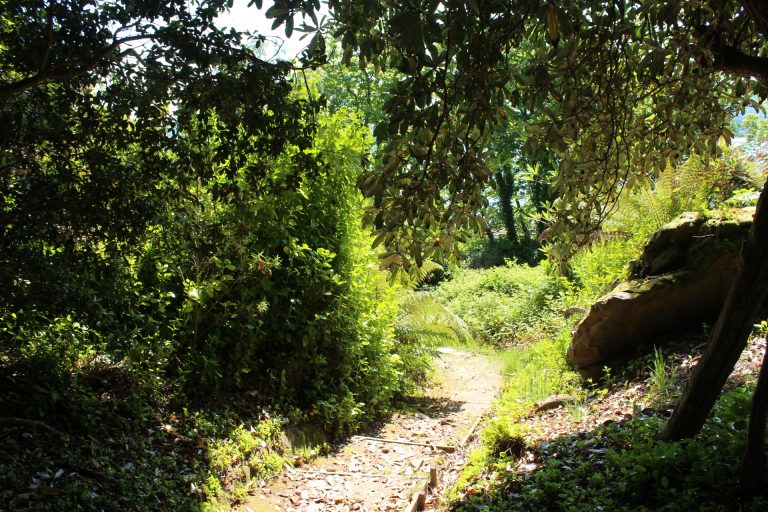 Brodick Castle Country ParkIsland country park with woodland, waterfalls and red squirrels on Arran
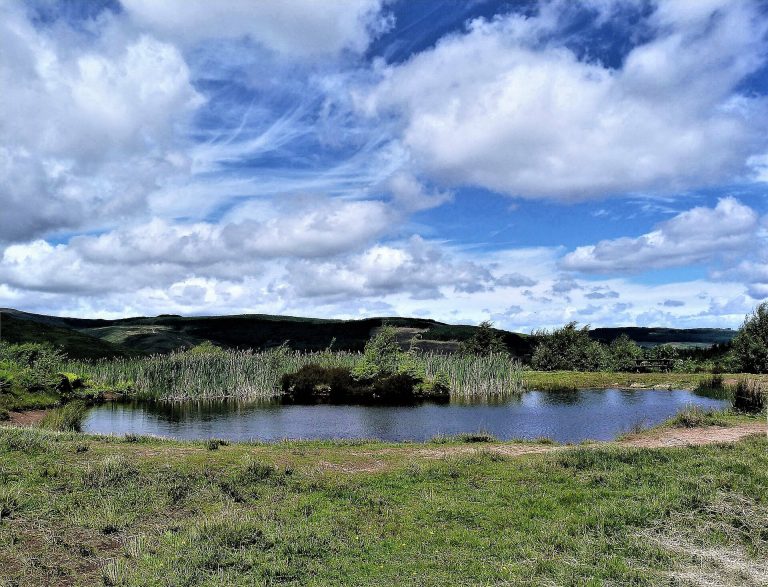 DyemillBurnside native woodland, small waterfalls and a cleared village near Lamlash
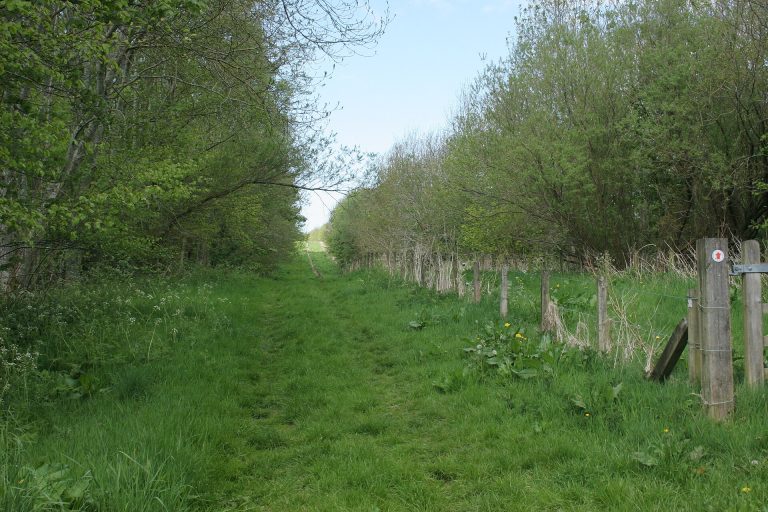 Eglinton Country ParkEstate woodland and traffic-free paths around Eglinton Castle ruins
Photos: Brodick Castle Country Park, Billy McCrorie (CC BY-SA 2.0); Dyemill, Raibeart MacAoidh (CC BY-SA 2.0); Eglinton Country Park, Richard Sutcliffe (CC BY-SA 2.0).