Where to go · London
Forest bathing at Kew Gardens
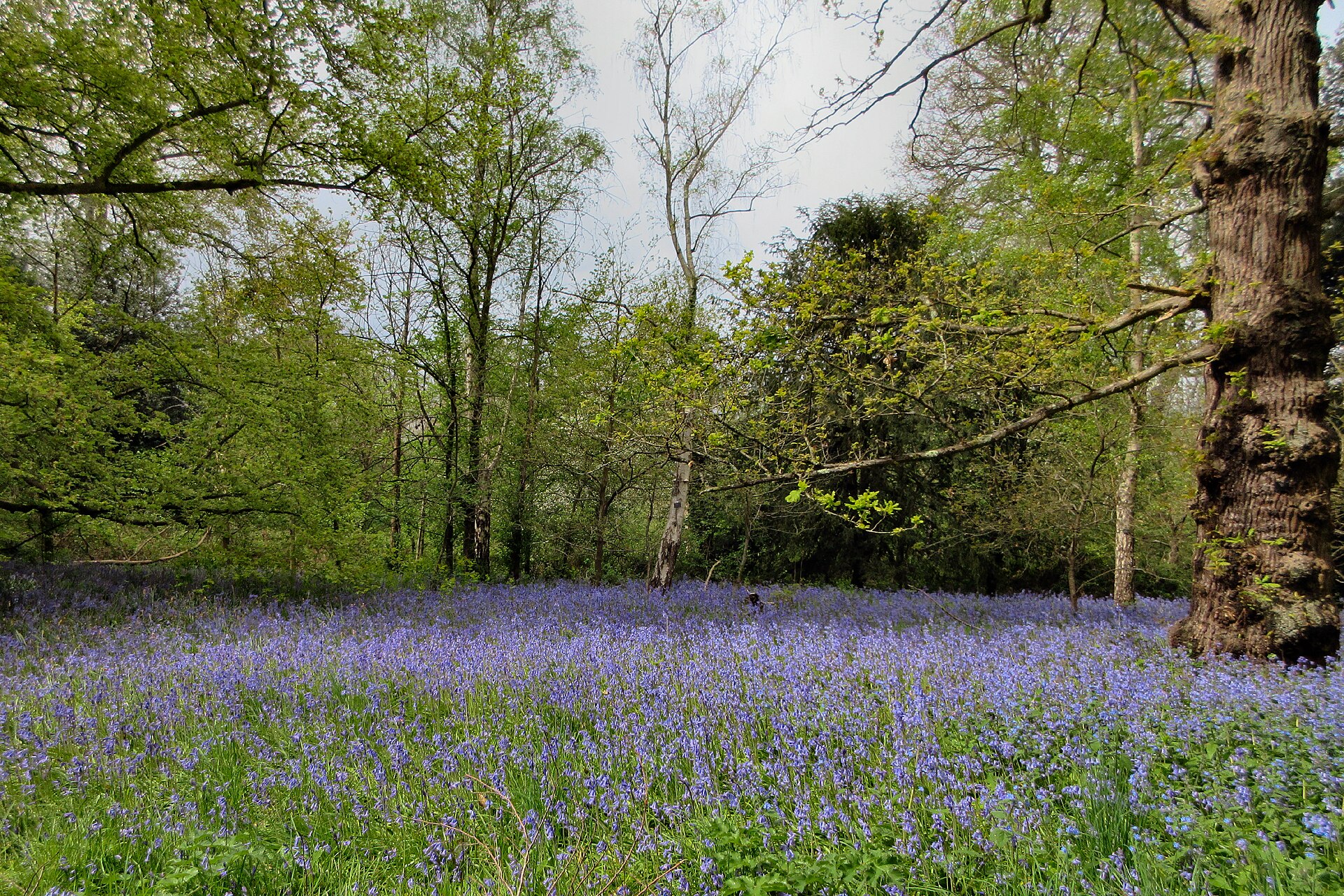
The arboretum and the wild Natural Area by the Thames give you trees from around the world and a bluebell wood.
Most people come to Kew for the glasshouses, but much of the garden is trees. The arboretum runs through the grounds, and on the edge where Kew meets the Thames is the Natural Area: 37 acres of woodland that Queen Victoria gave on condition it stayed wild. Around 185 trees have been planted there over the decades. Dead trees are pruned to leave nooks for insects, storm-felled trunks make up a log trail, and stag beetles breed in the decaying wood. Queen Charlotte's Cottage stands in the middle.
Paths across the gardens are mostly tarmac and the ground is largely flat, so it is one of the easiest London venues to reach and walk. The far side of the gardens, away from the gates and glasshouses, is generally where you find space. Spring is the high point in the Natural Area, with bluebells and wild garlic around the cottage, and stag beetles most often seen in late spring. Kew has warned that the Woodland Walk is closed for maintenance at times, so check closures before you set off. Entry is ticketed.
Practical
- Managed by
- Royal Botanic Gardens, Kew
- Parking
- Paid car park on Ferry Lane by Brentford Gate, limited spaces; blue badge holders free in disabled bays
- Terrain
- Largely flat, tarmac paths in most places
- Nearest station
- Kew Gardens (District line and Mildmay line), about 500m from Victoria Gate
- Facilities
- Cafés; accessible toilets near main attractions, cafés and gates; wheelchairs to borrow at the gates; mobility scooters bookable in advance
- Opening and entry
- Admission charge; gated, with daily opening hours
- Official page
- kew.org
Last updated 4 November 2026. Paths, parking and access can change, so check before you visit. Spotted something out of date? Please let us know.
Guides who run sessions here
Three guides work Kew Gardens
-
Joanna Bristow-Watkins
Harmony in Nature CIC
Shere, Surrey
UnclaimedTrained by The Forest Bathing Institute
Corporate and team daysPrivate and one-to-onePublic group sessions+2 more
-
Susanne Meis
Meet in Nature
South London, London
UnclaimedTrained by The Forest Bathing Institute
Corporate and team daysPrivate and one-to-one
More woodlands in London
All venues in London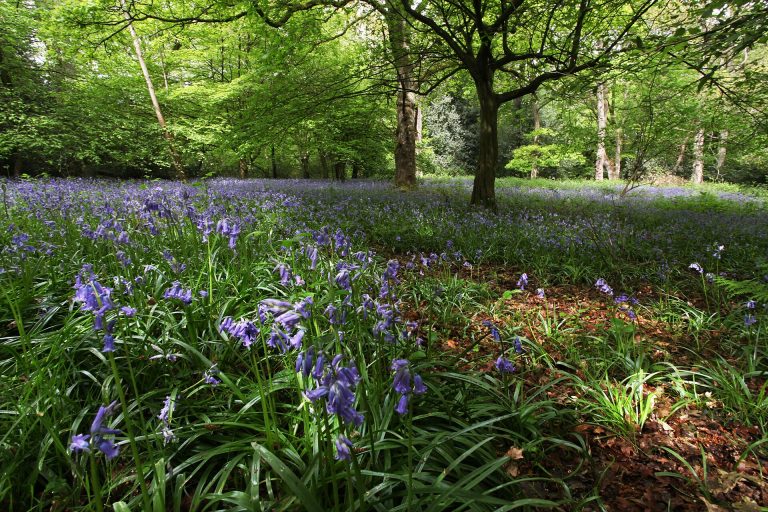 Hainault ForestAncient oak and hornbeam wood pasture from a former royal forest
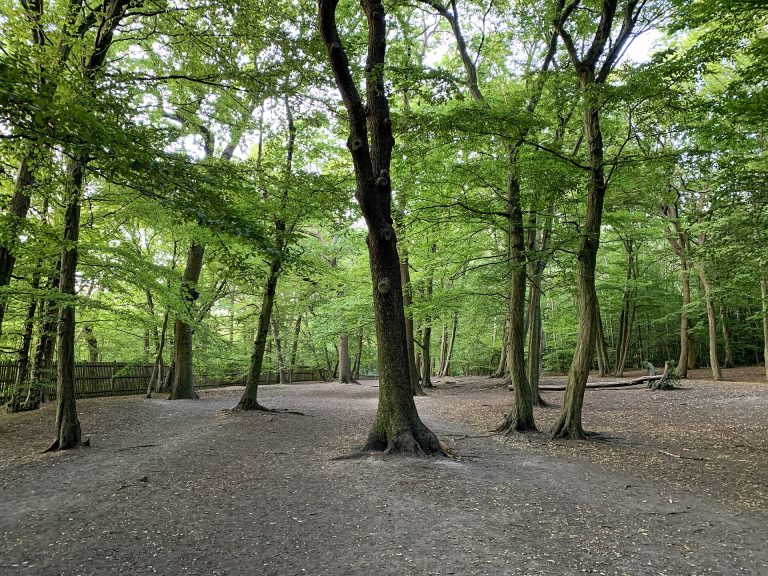 Highgate WoodAncient oak, hornbeam and holly a few minutes from Highgate station
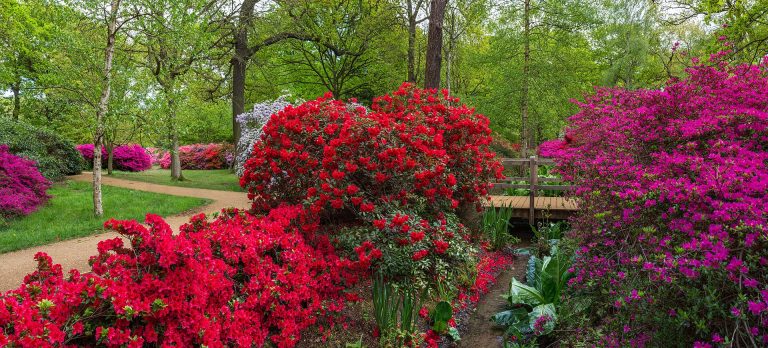 Isabella Plantation, Richmond ParkWoodland garden of old oaks, streams and azaleas inside Richmond Park
Photos: Hainault Forest, Colgill (CC BY-SA 4.0); Highgate Wood, TheFrog001 (CC0); Isabella Plantation, Richmond Park, Diliff (CC BY-SA 3.0).