Where to go · Glasgow
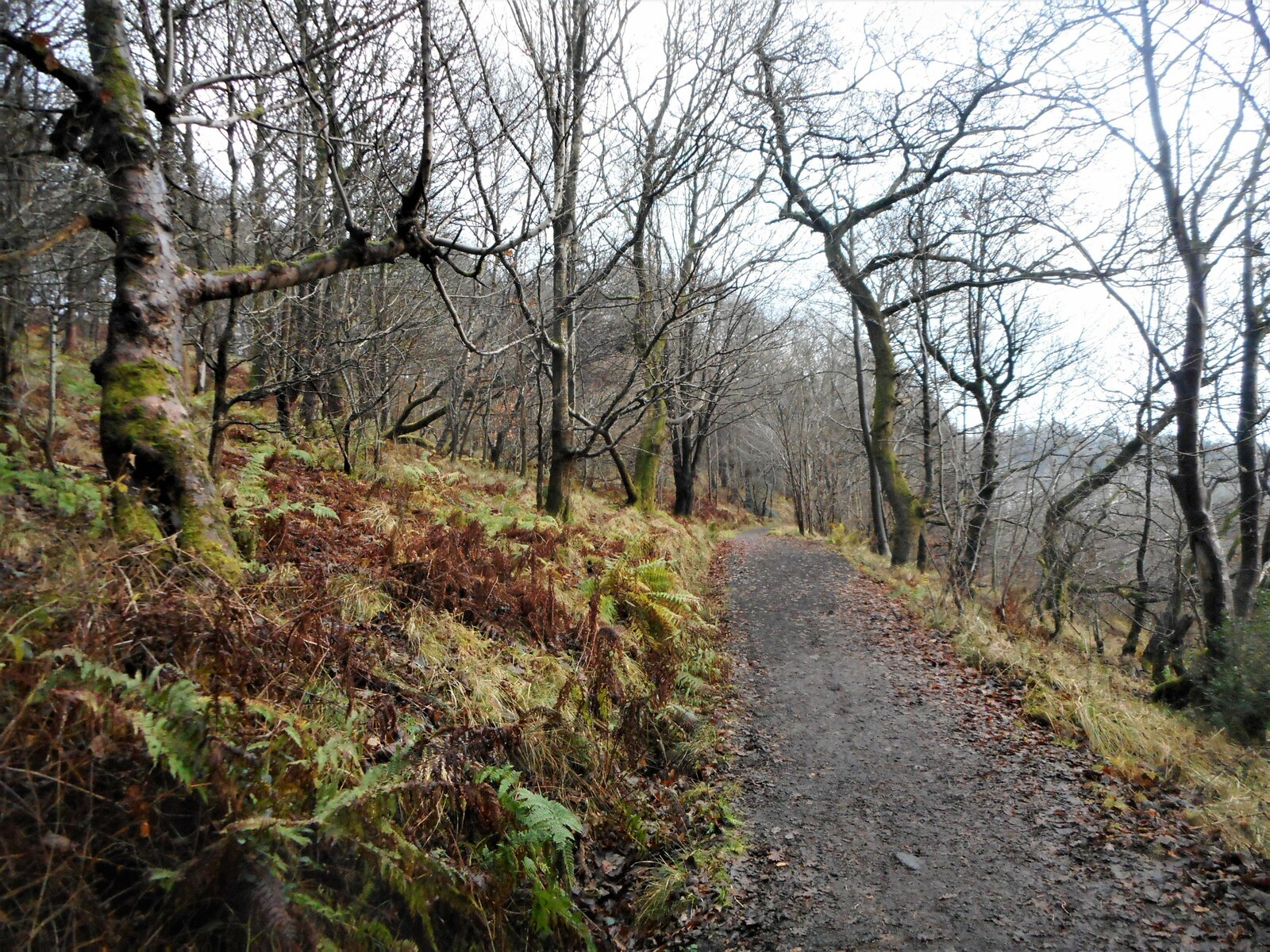
Forest bathing at Garscadden Wood
One of Glasgow's older semi-natural woods, with ancient oaks and spring bluebells on the north-west edge of the city.
Garscadden Wood, known locally as the Bluebell Woods, sits on the north-west edge of Glasgow between Drumchapel and Bearsden, close to the line of the Antonine Wall. It is one of the city's older semi-natural woodlands, a broadleaved wood with many old oak trees, and a Local Nature Reserve since 2006. It forms part of the Drumchapel Woods, where paths were upgraded through the Woodlands In and Around Towns programme.
Peel Glen Road splits the reserve in two: the older oak woodland lies to the east, with newer planting to the west, so the eastern side is the one to head for. You can walk in from Peel Glen Road, Drummore Road, Ladyloan Avenue or Monymusk Place. Come in spring, when bluebells cover the floor under the oaks. Paths are a mix of surfaced and earth, some waymarked.
Practical
- Managed by
- Glasgow City Council
- Terrain
- Broadleaved woodland with surfaced and earth paths, some waymarked
- Opening and entry
- Open access, free; entrances on Peel Glen Road, Drummore Road, Ladyloan Avenue and Monymusk Place
- Official page
- forestryandland.gov.scot
Last updated 4 November 2026. Paths, parking and access can change, so check before you visit. Spotted something out of date? Please let us know.
Guides nearby
Three guides within 15 miles of Garscadden Wood
-
Angela MacRitchie
Essence of the Soul
Glasgow
UnclaimedTrained by Forest Therapy Hub
Private and one-to-onePublic group sessions
More woodlands in Glasgow
All venues in Glasgow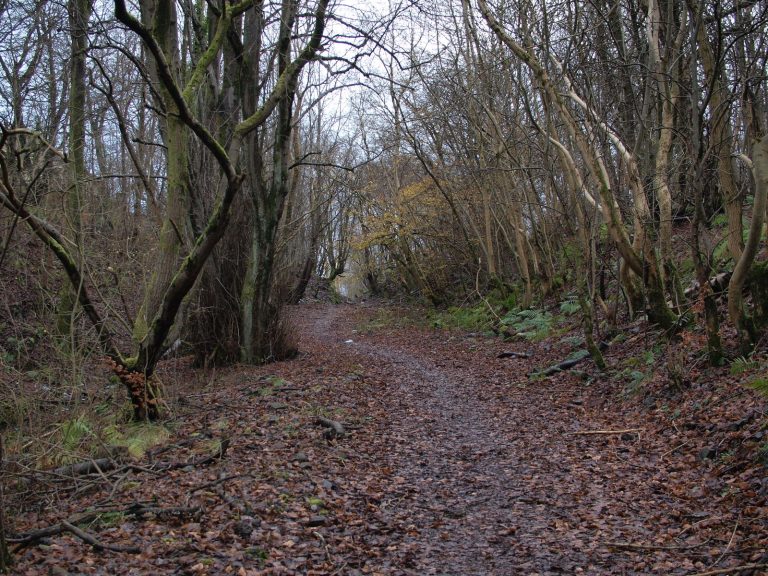 Castlemilk ParkEstate woodland of oak, beech and lime, with sequoias and a waterfall
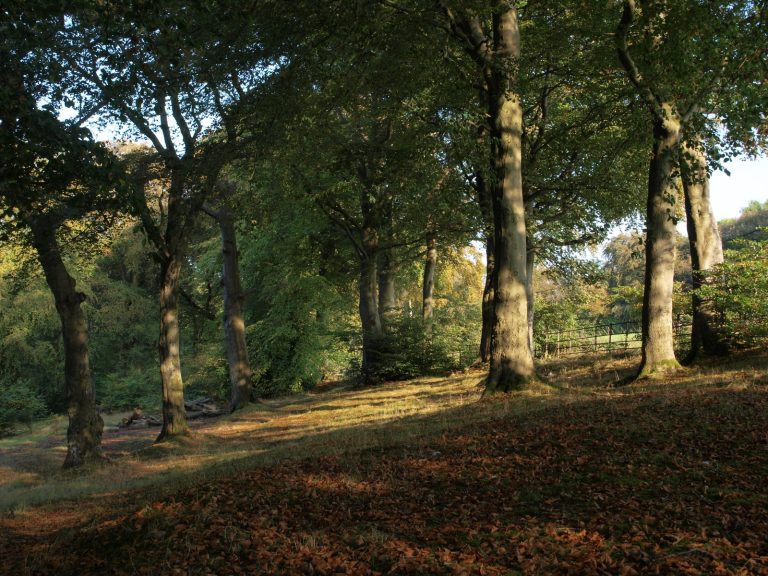 Cathkin Braes Country ParkGlasgow's highest ground, with old beech and oak in the Big Wood and long views
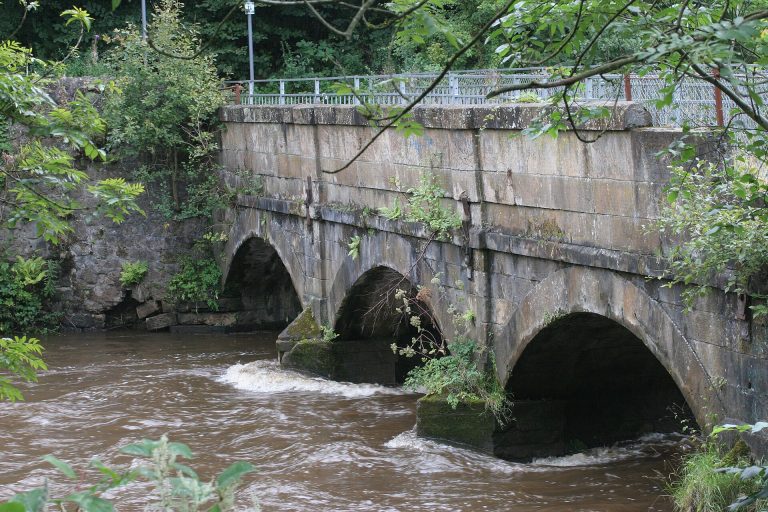 Dawsholm ParkMostly wooded nature reserve on the River Kelvin, deliberately left wild
Photos: Castlemilk Park, Alec MacKinnon (CC BY-SA 2.0); Cathkin Braes Country Park, Alec MacKinnon (CC BY-SA 2.0); Dawsholm Park, Richard Sutcliffe (CC BY-SA 2.0).